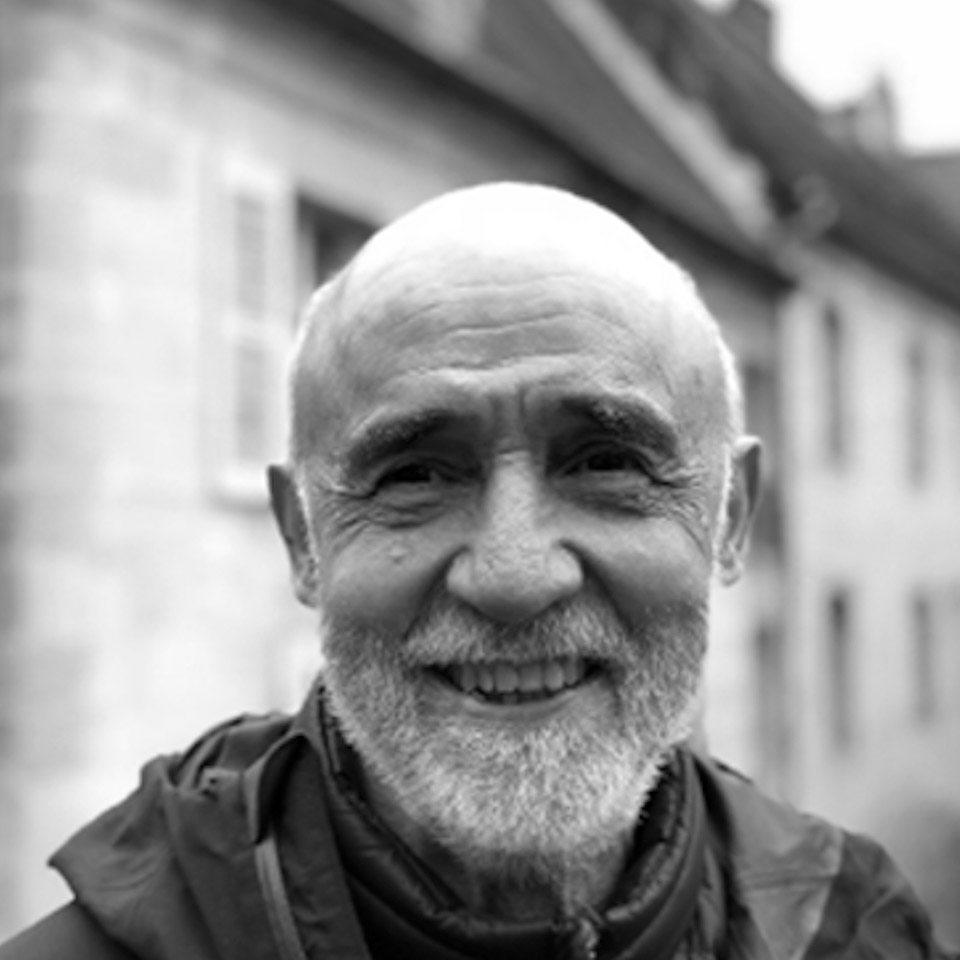

L’Institut d’Investigació en Intel·ligència Artificial (IIIA-CSIC) lamenta la mort de Jaume Agustí, investigador pioner en intel·ligència artificial i una figura vinculada als orígens de l’Institut.
El nostre company Ramon López de Mántaras li dedica a...
L’Institut d’Investigació en Intel·ligència Artificial (IIIA-CSIC) lamenta la mort de Jaume Agustí, investigador pioner en intel·ligència artificial i una figura vinculada als orígens de l’Institut.
El nostre company Ramon López de Mántaras li dedica aquestes paraules de record.
Amb en Jaume ens vam conèixer arran d’un article que ell havia publicat al Congrés Europeu d’Intel·ligència Artificial l’any 1984. En aquella època, jo era a la UPC i érem literalment quatre les persones que treballàvem en el camp de la intel·ligència artificial a Catalunya. Per això em va fer molta il·lusió descobrir que a la UAB hi havia també un petit grup que investigava en intel·ligència artificial. I, entre aquelles persones, hi havia en Jaume.
A finals d’aquell mateix any, el professor Enric Trillas, aleshores president del CSIC, em va proposar iniciar un grup de recerca en intel·ligència artificial al nou Centre d’Estudis Avançats de Blanes. De seguida vaig pensar en el Jaume i vaig proposar-li que m’acompanyés en aquella aventura, que aleshores era tan nova com il·lusionant.
I, dit i fet, va acceptar incorporar-se al CSIC, guanyant una plaça de científic titular amb destí al Centre d’Estudis Avançats de Blanes.
La seva incorporació va ser decisiva. Gràcies a la seva entusiasta col·laboració, el nostre grup d’intel·ligència artificial va créixer ràpidament, tant en quantitat —formant nous investigadors— com, sobretot, en qualitat, fins a esdevenir, l’any 1992, l’actual Institut d’Investigació en Intel·ligència Artificial.
Sense ell, hauria estat sens dubte molt més difícil dur a terme amb èxit l’encàrrec que ens havia fet el president del CSIC d’introduir la intel·ligència artificial entre les línies de recerca del Consell.
Durant més de trenta anys, va ser una peça clau del nostre Institut. Però hi va aportar molt més que coneixement científic. Va aportar-hi una mirada profundament humanista sobre la intel·ligència artificial.
En Jaume no era només un científic. Era també un gran humanista. I això, per a mi, i per molts companys de l’Institut, va tenir sempre un valor molt especial. En Jaume per tots nosaltres ha estat, durant tots aquests anys, un exemple i un estímul.
Especialment en els darrers temps, quan el desenvolupament de la intel·ligència artificial, cada vegada més concentrat en mans d’un grapat de grans empreses tecnològiques sense sensibilitat humanista, ha assolit una dimensió preocupant i avança més de pressa que la nostra capacitat per reflexionar sobre les seves conseqüències.
És precisament en aquest context que pren tot el seu sentit recordar una de les idees que en Jaume defensava: darrere de cada tecnologia hi ha una pregunta essencial que no podem oblidar: què significa ser humans i quin món volem construir. Un pensament, per cert, perfectament alineat amb la recent encíclica papal Magnifica Humanitas.
Els darrers treballs que va publicar —alguns en col·laboració amb el seu fill Jordi o amb el nostre company Marco Schorlemmer— han estat per a mi una font d’idees i d’inspiració per escriure el meu darrer llibre, del qual en Jaume va llegir-ne un esborrany i em va fer observacions molt valuoses que, sens dubte, m’han ajudat a millorar-lo. És un d’aquells regals que una persona generosa et pot fer i que van molt més enllà de la feina compartida perquè t’ajuden a pensar millor.
No vull acabar sense parlar del que en Jaume ens deixa.
Ens deixa la seva obra. Ens deixa els investigadors que va formar. Ens deixa les idees que va compartir amb nosaltres. Ens deixa les seves preguntes. En definitiva, ens deixa una manera d’entendre la ciència: rigorosa i, al mateix temps, profundament humana.
Tant de bo que en el món, i en particular en el món de la intel·ligència artificial, hi hagués moltes persones com el nostre estimat Jaume: científics capaços de combinar el coneixement amb la saviesa i la tecnologia amb una profunda preocupació pel que significa ser persones. Nosaltres, a l’Institut d’Investigació en Intel·ligència Artificial, no ho oblidarem mai i no l’oblidarem mai.
Gràcies, Jaume, per haver compartit amb nosaltres tants anys de ciència, d’amistat i sobretot de pensament.